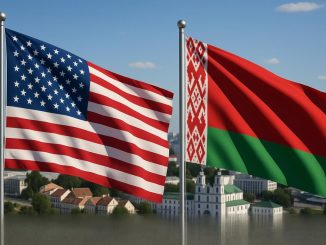
Mark Episkopos, a research fellow in the Quincy Institute’s Eurasia Program, writes in his article about USA – Belarus relations and importance of treating Belarus as an independent actor in foreign policy
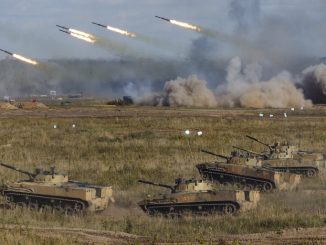
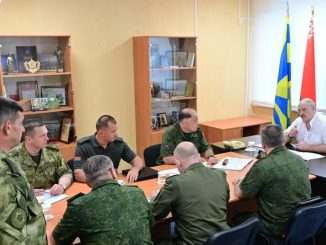
Belarus has announced a significant downsizing and relocation of the Zapad-2025 joint military exercises with Russia in an effort to reduce tensions with NATO.
In a move that could reshape Eastern European diplomacy, U.S. Special Envoy for Ukraine Keith Kellogg is expected to visit Minsk for high-level talks with Belarusian President Alexander Lukashenko.
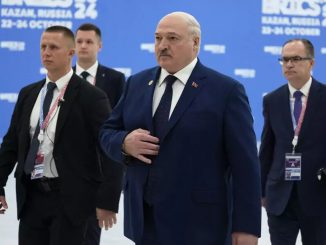
Belarus seeks closer ties with BRICS and aims to become a full member, seeing the organization as a means to support a multipolar world and reduce its dependency on Moscow.
The successful backchannel dialogue between Minsk and Kyiv invites a reassessment of the West’s approach to Belarus. The bilateral de-escalation suggests that engaging Minsk diplomatically on some issues can yield practical and positive results.
In the context of Western sanctions, the Belarusian government is looking for an opportunity to increase supplies to faraway countries. It is currently working with Zimbabwe to establish a hub in Africa for trade in Belarusian products.
We understand how the program of financial support for maternity capital works in Belarus and what conditions negatively affect the birth rate in the country; we know with BEROC expert Katerina Bornukova.
Belarus takes 45th position in the Welcoming Countries Rank-2023 compiled by the Canadian company Arton Capital. The ranking is based on how many nationalities a country accepts without a visa or with a visa issued on arrival.
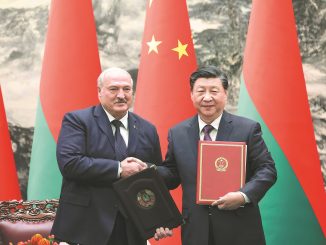
President Xi Jinping called on Wednesday for a political settlement of the Russia-Ukraine conflict, urging relevant countries to stop their attempts to politicize the global economy and make earnest efforts to contribute to a cease-fire and peaceful resolution of the cri